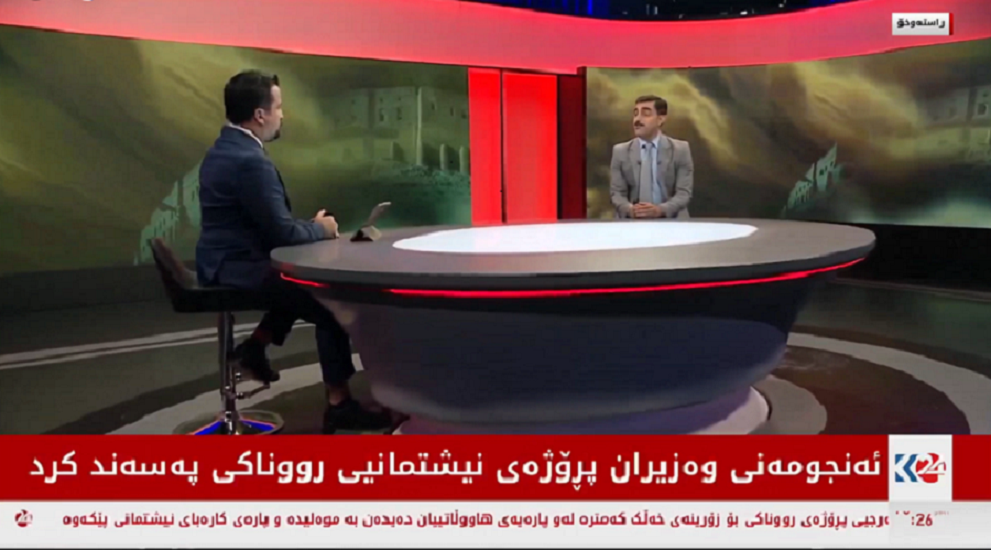
On16 March 2025, an interview with Kurdistan TV, we discussed the devastating effects of the chemical weapon attack on Halabja, which occurred 37 years ago. The conversation focused on both the immediate and long-term environmental consequences of the attack. The use of chemical agents not only led to the tragic loss of thousands of lives but also caused severe contamination of the soil, water sources, and air quality in the region.Over the past three decades, traces of toxic substances have persisted in the environment, affecting agriculture, biodiversity, and public health. Soil degradation has reduced agricultural productivity, while groundwater contamination continues to pose a threat to drinking water safety. Additionally, the ecological balance has been disrupted, leading to the decline of certain plant and animal species.The discussion also highlighted the need for continued environmental monitoring, remediation efforts, and international support to restore the affected areas. The long-term impact of the attack serves as a reminder of the urgent need for environmental protection policies and disaster preparedness strategies to prevent similar tragedies in the future.
This discussion aligns with the objectives of SDG 13 (Climate Action) and SDG 14 (Maintaining a Local Ecosystem) as part of the Sustainable Development Goals (SDGs).
Link: